This site uses cookies to ensure you get the best experience. Learn more.
Toggle Nav

Electric vehicles are becoming an increasingly familiar sight on UK roads, and for garages and workshops, that means EVs are becoming part of the everyday servicing and repair landscape.
For workshops considering entering the EV servicing market, the opportunity is significant. But becoming EV-ready can be confusing. A workshop carrying out routine servicing and diagnostics will have different requirements from one planning to undertake high-voltage diagnostics, battery removal or more specialist EV repairs. Understanding the difference can help you invest in the right equipment at the right stage. We have put together this step-by-step guide to help you work through and understand the needs of your workshop as you explore EV servicing.
1. Begin with training your technicians, then identify your equipment needs.
The first change that should be considered isn’t equipment, but the training and experience your workshop’s technicians have. Electric vehicles use high-voltage electrical systems that require specific knowledge and procedures. Whilst many of the fundamentals of vehicle maintenance remain familiar, technicians need to understand how EV systems differ from conventional internal combustion engine vehicles.
This includes understanding areas such as:
The level of training required will depend on the type of EV work your workshop intends to undertake, so it's important to establish what services you want to offer before deciding exactly what equipment you need.
Your equipment requirements should follow the work your technicians are trained and authorised to undertake. A workshop starting with routine EV servicing may have very different requirements from one planning to remove and handle high-voltage battery packs. It is important to remember that equipment and training need to go hand in hand.
What equipment might you need?
Depending on your planned services, this could include:
Starting with the work you want to undertake will help you invest in the right equipment rather than simply accumulating products marketed as EV-ready. Explore Straightset’s recommended equipment here.
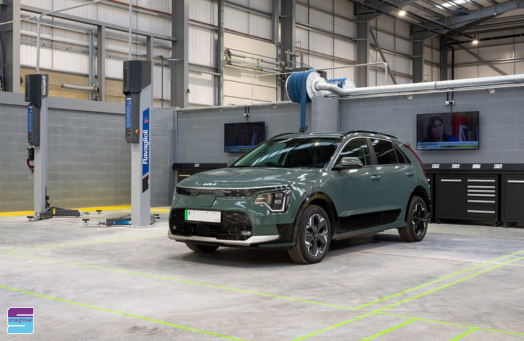
2. Create and EV-ready Workshop Area
Once you're carrying out EV work regularly, you may find that your existing workshop layout needs to accommodate new processes. For example, you might need to create a designated area for EV work or introduce barriers and signage to prevent unnecessary access whilst work on batteries is being carried out.
Think about the entire workflow, and ask yourself does your existing workshop layout support this process?
Vehicle arrives → vehicle is identified → system is isolated → work is carried out → vehicle is tested → vehicle is returned to service
Another consideration that should be made is where specialist EV equipment will be stored. PPE, insulated tools, diagnostic equipment, battery handling equipment and charging equipment all need to be accessible without creating additional hazards or clutter. Dedicated storage can help keep specialist equipment organised and ready for use, whilst a clearly defined EV work area can help technicians follow consistent procedures. Explore our benching options here to see how we can help you keep your garage clutter free and ready for EV servicing.
3. EV Lifting and Battery Handling Equipment
One of the biggest practical changes comes with when work is required on an EV's battery. Traditional workshop equipment isn't necessarily designed around the requirements of EV battery removal and handling. Batteries can be large, heavy and awkward to manoeuvre. Once removed from a vehicle, they need to be supported securely and positioned correctly whilst technicians carry out the required work.
If your workshop intends to undertake battery removal or installation, dedicated battery handling equipment should form part of your equipment planning.
EV Battery Lifting Tables -
A dedicated EV battery table can provide a controlled way of supporting and manoeuvring a battery during removal and installation. Instead of trying to adapt equipment designed for another purpose, specialist equipment allows the workshop to build a process around the specific requirements of EV work.
When choosing battery handling equipment, consider factors such as:
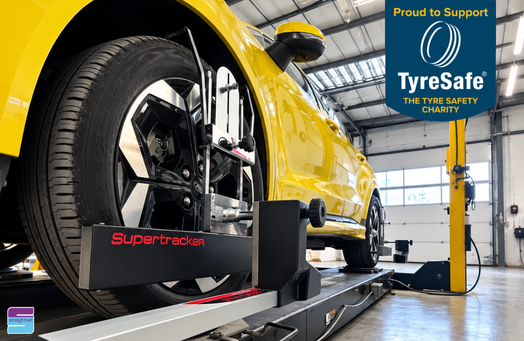
Our recommended EV battery lift is the Supertracker JEV033. With a 1.5T lifting capacity and split top platform it is the ideal solution to get you started with work on EV batteries at an affordable price.
Regular Lifting Equipment -
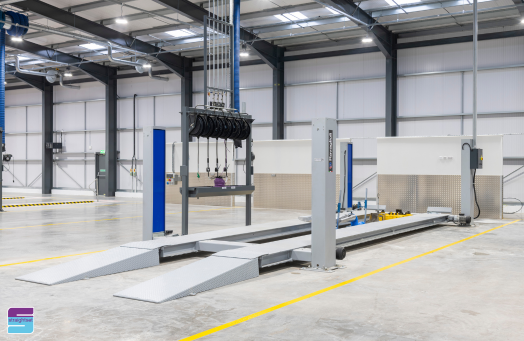
EVs are also roughly 10% to 15% heavier than their petrol or diesel equivalents, meaning workshops operating on lifts with lower lifting capacities should explore upgrading to lifts with a capacity of at least 4 tonnes before offering EV servicing.
Planning to add EV battery work to your workshop? Explore our recommended EV lifting and battery handling equipment or speak to the Straightset team about choosing the right equipment for your workshop.
4. EV Diagnostics & Testing
Modern vehicles already rely heavily on electronic diagnostics, and EVs take this further. Electric drivetrains, battery management systems and other electronic components can require specialist diagnostic capabilities.
If your workshop is planning to service EVs, consider whether your existing diagnostic equipment can support the vehicles and systems you expect to encounter. It is also worth thinking beyond today's requirements. As EV technology continues to develop, it’s important to in equipment that can be updated and expanded to give your workshop greater flexibility as the vehicle parc changes.
Before investing in diagnostic equipment, consider:
The right diagnostic equipment can become an important part of your workshop's wider EV capability.
5. Workshop EV Charging Equipment
If you're going to service electric vehicles, charging is another practical consideration. A vehicle may arrive with low charge, require charging as part of a diagnostic process, or need to be charged before it can be returned to the customer. That means charging infrastructure can become part of the normal workshop workflow.
Consider:
This isn't simply buying a charger; it's about considering how EVs will move through your workshop from arrival to collection. The right charging solution will depend on your vehicles, your workshop layout and how frequently charging forms part of your day-to-day workflow.
EV Workshop Equipment Checklist
Before you start taking on more EV work, consider whether your workshop has the equipment and processes it needs.
Technicians
Safety
Workshop equipment
Diagnostics
Charging
Straightset can help you reimagine your workshop completely for EV servicing or, advise you on the right equipment to begin expanding into EV work slowly. We are dedicated to offering the right equipment package to suit you and the work you intend to undertake, the vehicles you service and the capabilities you want to build.
Is Your Workshop EV Ready?
Moving into EV servicing represents a significant opportunity for workshops, allowing you to take on new customers, new jobs and preparing you for the future of the automotive industry, but carefully thought-out preparation is key to allow for success. In a recent survey by Censuswide; 81.2% of automotive aftermarket workshops said they were equipped to service EVs, and 83.3% of those with EV capability expecting their spending on that capability to increase over the following year.
From specialist lifting and battery handling equipment to EV tools, diagnostics and workshop safety solutions, having the right equipment can make the transition into EV servicing safer, more practical and more efficient.
At Straightset, we provide workshop equipment designed to help businesses meet the changing demands of modern vehicle servicing. Whether you're taking your first steps into EV servicing or looking to expand your existing EV capabilities, our team can help you identify equipment around the work you want your workshop to undertake.
If you’re looking to start preparing your workshop for EVs, explore our range of EV equipment or speak to the Straightset team about your EV workshop requirements, and find the right solution to take the next step into EV servicing.